President Trump Was Right to Demand Action on Dalilah’s Law
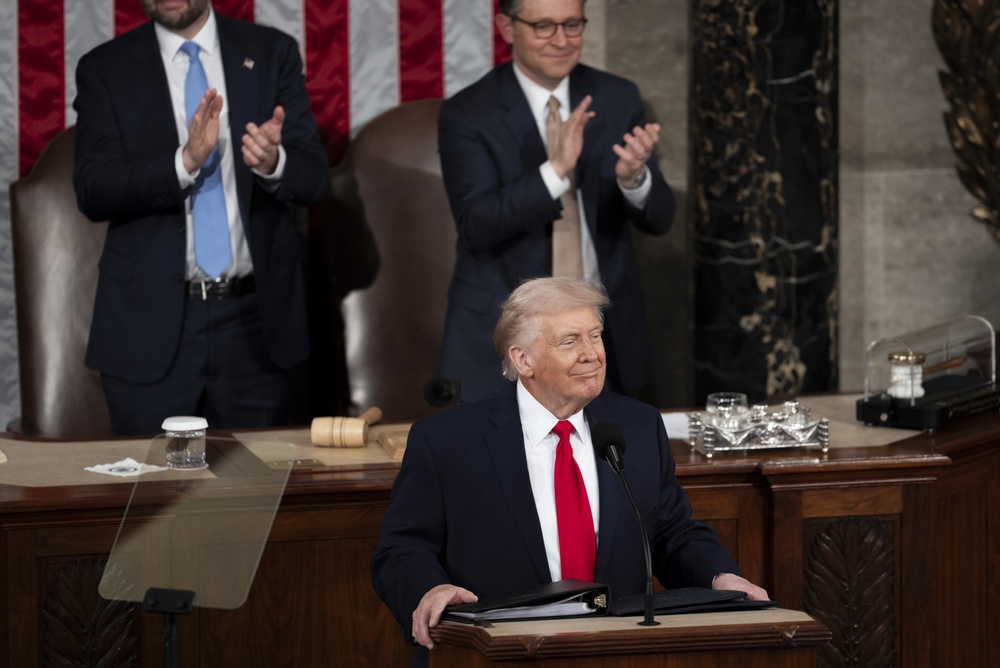
During his February State of the Union address, President Donald J. Trump did what too many leaders in Washington have refused to do for years: he spoke plainly about a preventable public safety failure and demanded that Congress fix it. By recognizing Dalilah Coleman and calling for passage of Dalilah’s Law, he made clear that the protection of American families must come before ideological excuses and political evasions.
President Trump was right.
In one of the most powerful moments of the speech, he put a human face on the consequences of weak enforcement and weak standards. That is exactly what presidents should do. Public policy is not an academic exercise. It is not a talking point. When government fails to enforce serious rules in serious areas, innocent people suffer. Dalilah Coleman’s story is a painful reminder of that truth.
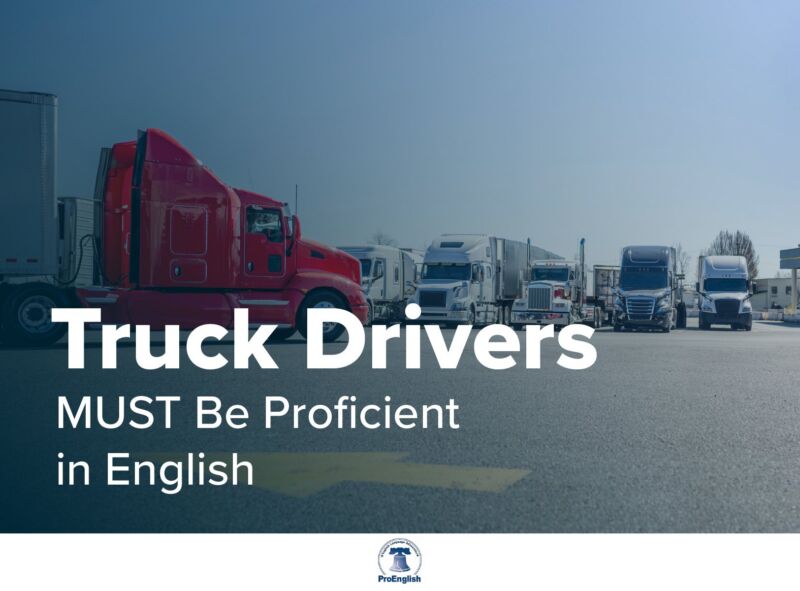
Dalilah’s Law rests on a principle so basic that it should never have become controversial. States should not be issuing commercial driver’s licenses to illegal aliens, and the country should not tolerate lax standards that allow unqualified individuals to operate massive commercial vehicles on American roads. A commercial truck is not an ordinary vehicle. In the wrong hands, it becomes a deadly one. Public safety requires rules that are firm, rational, and enforced.
What made President Trump’s remarks especially important was the contrast they drew, whether stated directly or not, with the failure of the Biden years. For too long, the country was told that Americans had to accept disorder at the border, weak enforcement in the interior, and a steady erosion of standards in the name of compassion. But compassion without order is not compassion at all. It is negligence disguised as virtue. And ordinary Americans are the ones forced to live with the consequences. This is what happens when law is treated as optional and public safety as secondary. That broader contrast is an inference from the policy positions at issue, but it is hard to miss.
The question before Congress is not complicated. Will lawmakers uphold serious commercial driving standards, or will they continue tolerating the kind of weakness that puts American families at unnecessary risk? Americans should not have to wonder whether licensing standards are being compromised by politics, bureaucracy, or ideological indulgence. They should be able to trust that the law means what it says and that the rules are enforced with public safety in mind.
Congress now has the opportunity to act. On March 16, Representative David Rouzer released updated legislative text for Dalilah’s Law. His office said the bill would strengthen commercial driver’s license requirements, require commercial motor vehicle drivers to be able to read and understand English, and prevent unqualified and illegal immigrants from obtaining a CDL through lax state enforcement. Two days later, Rouzer’s office said the legislation was moving forward as a roadway safety measure.
That means what President Trump raised in the House chamber a few nights ago does not have to fade into yet another applause line. It can become law. It can become a clear statement that the United States still takes public safety seriously and still understands that standards exist for a reason. The President did not invoke Dalilah Coleman’s name merely to stir emotion. He did so to compel action.
Too often, Washington specializes in mourning tragedies after the fact while refusing to correct the failures that made them possible. That cannot be the response here. If Congress is serious about protecting innocent lives, serious about the integrity of the law, and serious about restoring public confidence, then it should pass Dalilah’s Law without delay.
President Trump did his part. He elevated the issue before the nation, honored a victim, and challenged Congress to act. Now lawmakers must decide whether they will stand with public safety and common sense or retreat once again into excuses.
Citizens who agree should contact their members of the House and Senate and urge them to support Dalilah’s Law. When the stakes are this high, silence is not enough.
About Post Author